
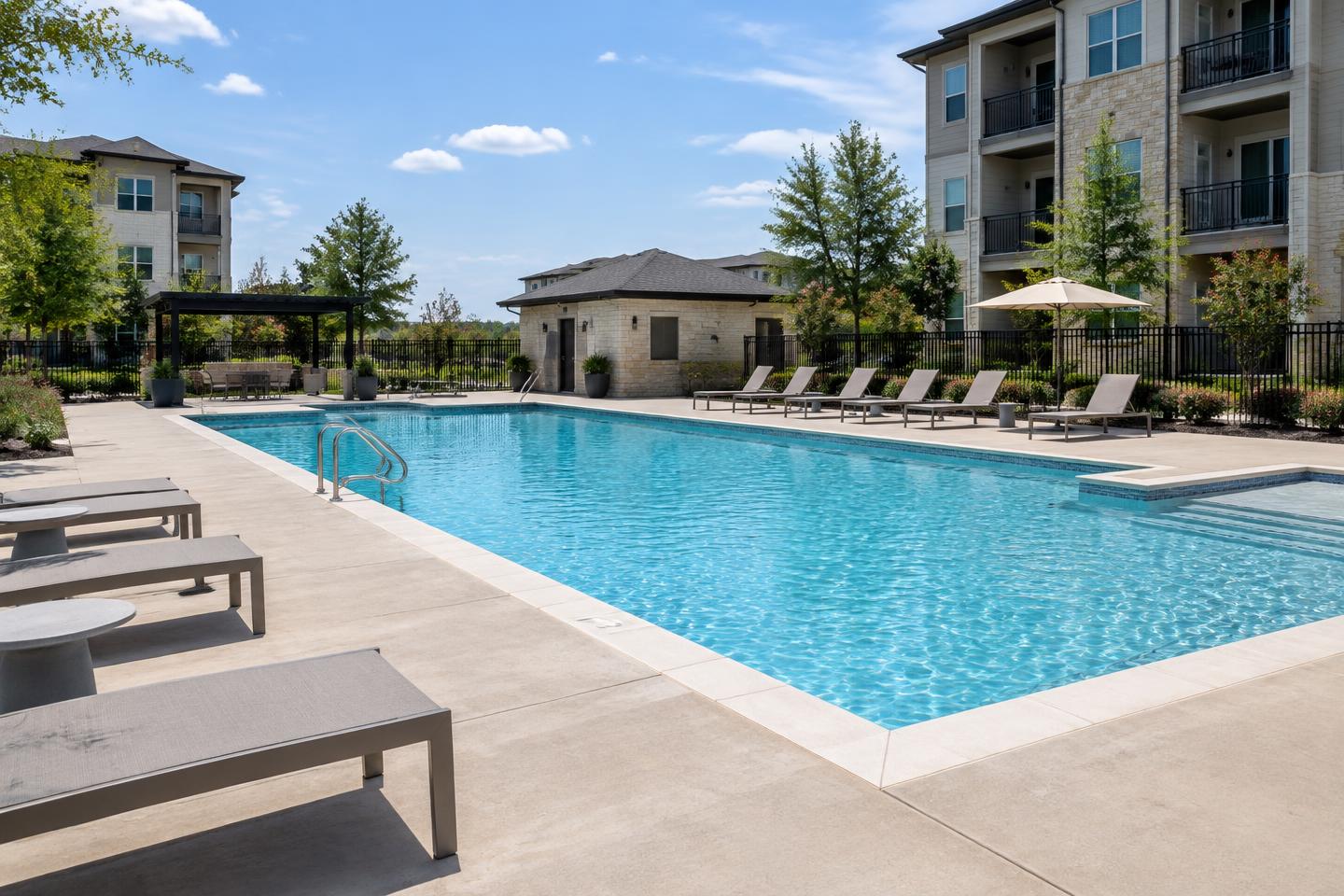
Commercial pools need a scope built around the way the property operates. For commercial pool maintenance, that means looking at the pool, the people responsible for it and the conditions that change between visits—not just completing a generic checklist.
What this service can cover
The final scope depends on equipment, use and site responsibilities. These are the tasks to discuss during a property review.
Reviewing water condition and routine test records.
Cleaning baskets and evaluating circulation at the equipment pad.
Inspecting visible equipment operation and escalating anomalies.
Recording completed work and follow-up items for the property manager.
Define the operating rhythm before choosing visit frequency
The useful maintenance question is not simply how many days a technician visits. It is which checks happen on each visit, which checks site staff perform in between and how a failed reading or equipment fault gets escalated. A busy apartment pool and a facility used by scheduled groups may need different oversight, even when their equipment is similar.
A written plan can separate daily operating duties from periodic service: water testing and logs, cleaning, basket checks, equipment observations, chemical-feed review and follow-up work. The plan should name who holds each responsibility rather than leaving a gap between the facility team and the service provider.
Watch trends instead of isolated readings
A single water test or filter pressure reading has limited meaning without context. Reviewing a run of readings can reveal a feeder drifting out of calibration, pressure rising faster than expected or sanitizer demand changing with attendance. Recent repairs, backwashing and major rain events belong in the same record so a later visit can explain an unusual result.
The site should know its normal equipment behavior: pump sound, return flow, expected pressure and automation schedule. If those change, document the observation and determine whether the pool can remain in use while it is investigated. Do not assume a clear-looking pool is operating safely.
Make reporting useful to a manager
A service record should distinguish work completed from work recommended. For a repair recommendation, include the symptom, the affected equipment and the next decision required. If parts or specialist work are needed, identify what remains unresolved and who is authorized to approve it.
Maintenance is easier to manage when the next visit can see the previous visit's open items. A recurring issue should lead to a changed plan, not just another identical note in the log.
When to take a closer look
- When a pool sees variable use across the week.
- When multiple staff members share operating responsibility.
- When repeat issues suggest the current service scope is too narrow.
What to have ready for a conversation
- Current visit schedule and tasks performed by on-site staff
- Recent water logs, equipment history and open repairs
- Pool hours, peak-use periods and approval contacts
Questions to settle before work begins
Who tests and logs water between service visits?
What is the process when readings are outside the operating range?
Which repairs require separate authorization?
How to evaluate the result
Agree on a starting condition before work begins: recent logs, visible symptoms, equipment readings and any open findings. After the visit, compare those records with what was actually observed and corrected. A completed task and a resolved problem are not always the same thing; note what still needs monitoring, approval or a second check.
If a condition affects water clarity, circulation, disinfection or safe access, the facility team should use its closure and escalation procedure rather than waiting for the next scheduled visit. Reopening decisions belong with the responsible operator under the requirements that apply to the site.
CPO oversight and health-department rules
A Certified Pool & Spa Operator (CPO) credential is training, not a permit or a substitute for the facility operator’s responsibilities. Identify who is trained to oversee the pool, who performs and records tests during open hours, and who has authority to close it when conditions are unsuitable. Check the qualifications required for your particular facility with its regulator; this page does not establish that any member of our team holds a CPO credential.
Texas public-pool requirements are published by the Texas Department of State Health Services. Permits, inspections and additional rules may be administered by the city or county health department responsible for the property address. Do not assume City of Houston rules apply to every suburb. Keep permits, water logs and inspection correspondence available, and confirm the current requirements directly with the responsible authority.
For a checklist of information to gather before an inspection, see inspection preparation. A service visit does not certify compliance or replace official inspection.
Questions property teams ask
Is a weekly visit enough for a commercial pool?
A visit schedule does not replace the operator's required checks during open hours. Set the schedule around use, site staffing and applicable rules.
What should a maintenance report show?
It should separate completed work from readings, observed faults, open items and decisions awaiting property approval.
Facility requirements vary by address, pool type and authority. Confirm site-specific obligations with the applicable local authority. Service scope and availability are confirmed for each property.