
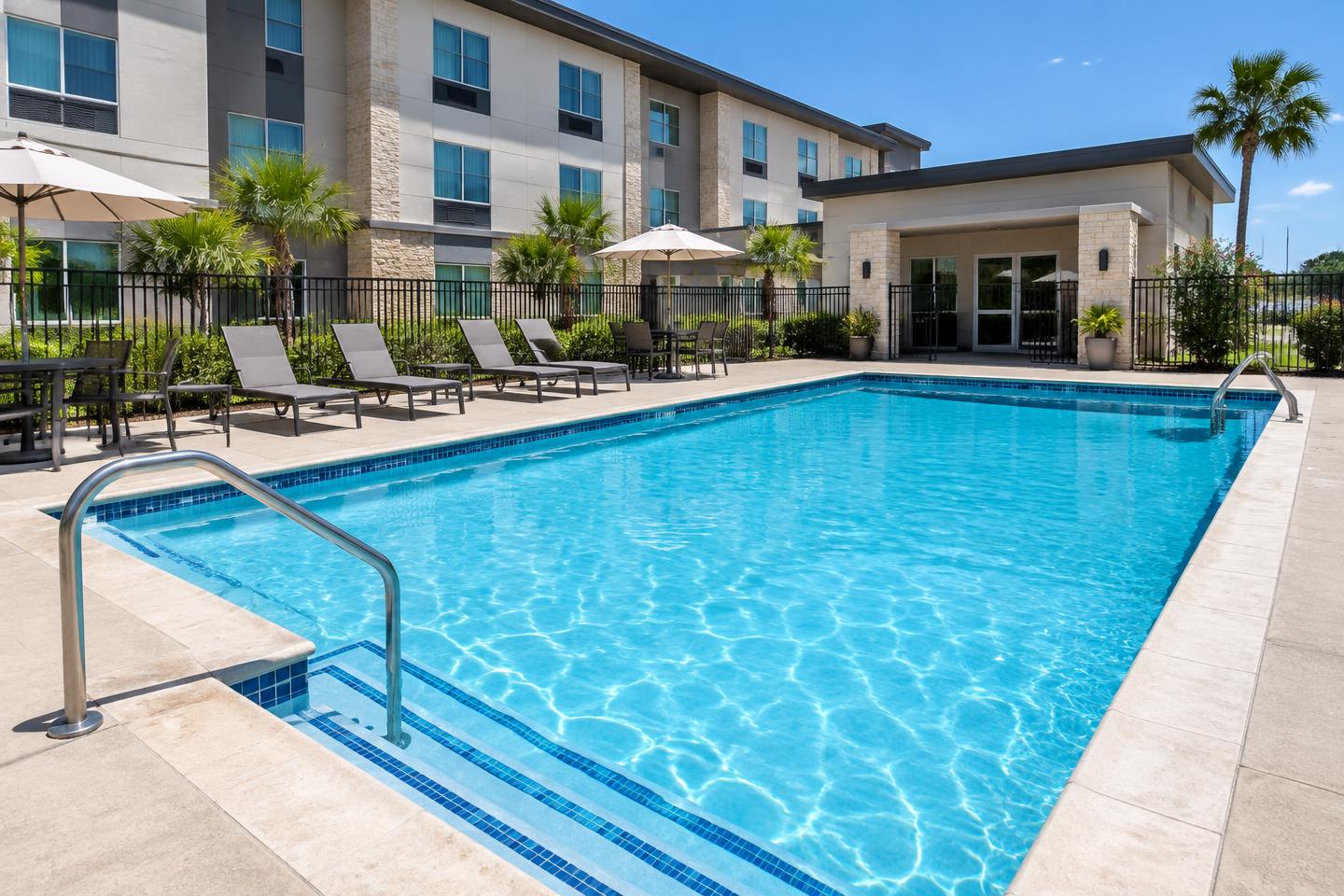
Commercial pools need a scope built around the way the property operates. For inspection preparation, that means looking at the pool, the people responsible for it and the conditions that change between visits—not just completing a generic checklist.
What this service can cover
The final scope depends on equipment, use and site responsibilities. These are the tasks to discuss during a property review.
Reviewing available logs and recurring maintenance issues.
Flagging visible signage, enclosure or equipment concerns for review.
Prioritizing corrective work with the facility team.
Identifying questions for the authority with jurisdiction.
Begin with the authority for the address
Requirements can differ by location and facility type. A pool inside Houston city limits may have a different permitting contact from a site in another municipality or an unincorporated area. Identify the authority with jurisdiction before assembling an inspection checklist; do not assume one city's process applies across the metro.
Gather the records the site already maintains: permits, water test logs, maintenance notes, corrective-action records and any previous findings. Missing or incomplete documentation is best addressed as an operating-process problem, not just a stack of papers for inspection day.
Walk the facility like an operator
Look at visible conditions that a facility team can identify before an inspection: water clarity, signage, enclosure condition, accessible safety equipment, equipment-pad housekeeping and any known alarms or leaks. A visual review is not a regulatory certification or a substitute for a formal inspection by the authority.
Some findings require more than a cleaning visit. Note what needs a repair, a qualified trade, management approval or direct guidance from the regulator. Prioritize any condition that could affect safe use ahead of cosmetic work.
Turn findings into a workable list
Assign each open item an owner, a proposed action and a way to verify completion. For an equipment repair, keep the test result and date. For a recordkeeping gap, define who will maintain the log going forward. This makes inspection preparation useful after the inspector leaves.
If rules or an inspector's direction are unclear, ask the responsible authority rather than relying on a generalized online checklist. The owner or operator remains responsible for required permits and compliant operation.
When to take a closer look
- Before a scheduled inspection or reopening.
- After ownership or management changes.
- When repeat findings reveal a process gap.
What to have ready for a conversation
- Facility address, pool type and applicable authority
- Current permits, logs and any prior inspection notes
- Known repairs and the team responsible for each one
Questions to settle before work begins
Which authority regulates this address?
Are current permits and records available?
Who signs off on corrective work?
How to evaluate the result
Agree on a starting condition before work begins: recent logs, visible symptoms, equipment readings and any open findings. After the visit, compare those records with what was actually observed and corrected. A completed task and a resolved problem are not always the same thing; note what still needs monitoring, approval or a second check.
If a condition affects water clarity, circulation, disinfection or safe access, the facility team should use its closure and escalation procedure rather than waiting for the next scheduled visit. Reopening decisions belong with the responsible operator under the requirements that apply to the site.
CPO oversight and health-department rules
A Certified Pool & Spa Operator (CPO) credential is training, not a permit or a substitute for the facility operator’s responsibilities. Identify who is trained to oversee the pool, who performs and records tests during open hours, and who has authority to close it when conditions are unsuitable. Check the qualifications required for your particular facility with its regulator; this page does not establish that any member of our team holds a CPO credential.
Texas public-pool requirements are published by the Texas Department of State Health Services. Permits, inspections and additional rules may be administered by the city or county health department responsible for the property address. Do not assume City of Houston rules apply to every suburb. Keep permits, water logs and inspection correspondence available, and confirm the current requirements directly with the responsible authority.
For a checklist of information to gather before an inspection, see inspection preparation. A service visit does not certify compliance or replace official inspection.
Questions property teams ask
Does preparation guarantee an inspection pass?
No. Only the responsible authority can inspect and decide compliance. Preparation helps identify records and observable issues before its visit.
Which permit applies to my pool?
The answer depends on the address, jurisdiction and facility. Confirm the permit and inspection process with the responsible local authority.
Facility requirements vary by address, pool type and authority. Confirm site-specific obligations with the applicable local authority. Service scope and availability are confirmed for each property.